How to hang woven wall baskets (and plan a gallery wall that works)
Hardware, spacing, height and five gallery-wall layouts that work every time, plus how retailers can use them to sell more.
Read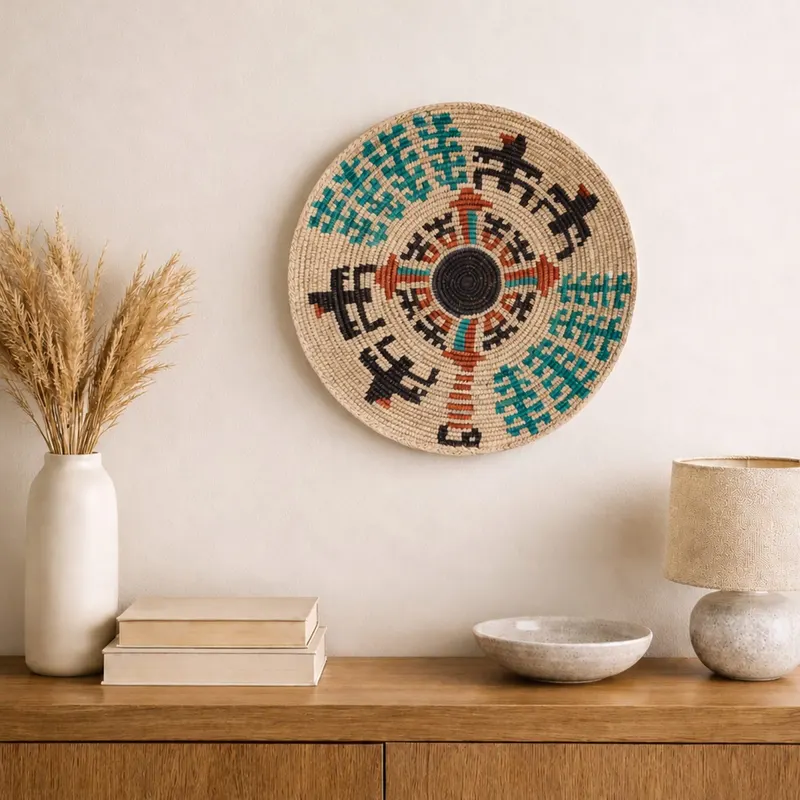
Importing handmade baskets is straightforward once you know the few points where plant-based products differ from ordinary goods. This checklist covers what to sort out before your shipment leaves. Rules change, so always confirm the details with your customs broker.
Checklist
Baskets made directly to shape from plaiting materials fall under HS heading 4602 (“basketwork, wickerwork and other articles, made directly to shape from plaiting materials”). The six-digit subheading depends on the material: bamboo (4602.11), rattan (4602.12), and other vegetable materials such as grass and palm leaf (typically 4602.19). Each country adds further digits for its national tariff, and that sets the duty rate.
The country where the baskets are made is their origin. Many importing countries offer reduced or zero duty on goods from developing countries, for example the EU’s Generalised Scheme of Preferences (GSP) and the UK’s Developing Countries Trading Scheme (DCTS). To claim a preference you need the right proof of origin from the exporter, so ask for it before shipping, not after.
Because baskets are made of plant fibre, some countries check them for pests and contamination:
Incoterms define who pays for and handles each leg of the journey. For first-time importers, DDP (Delivered Duty Paid) is the simplest: the supplier delivers to your door with duties and clearance paid, and you get one known landed cost. Experienced importers with their own freight forwarder often choose FOB and control the main freight themselves. See the full comparison on our shipping & export page.
We include all of these as standard. Ask for a DDP quote to see the full landed cost for your country.
Hardware, spacing, height and five gallery-wall layouts that work every time, plus how retailers can use them to sell more.
ReadMOQs, samples, landed cost, quality checks and lead times: what to ask a supplier before your first order.
ReadHow coiled, wicker, rattan and seagrass baskets differ in technique, look and durability, and which is best for wall décor.
ReadTell us your market and quantities. We’ll reply within one working day with wholesale prices, availability and a shipping quote to your door.